
A cross platform, customizable graphical frontend for launching emulators and managing your game collection.
A cross platform, customizable graphical frontend for launching emulators and managing your game collection.
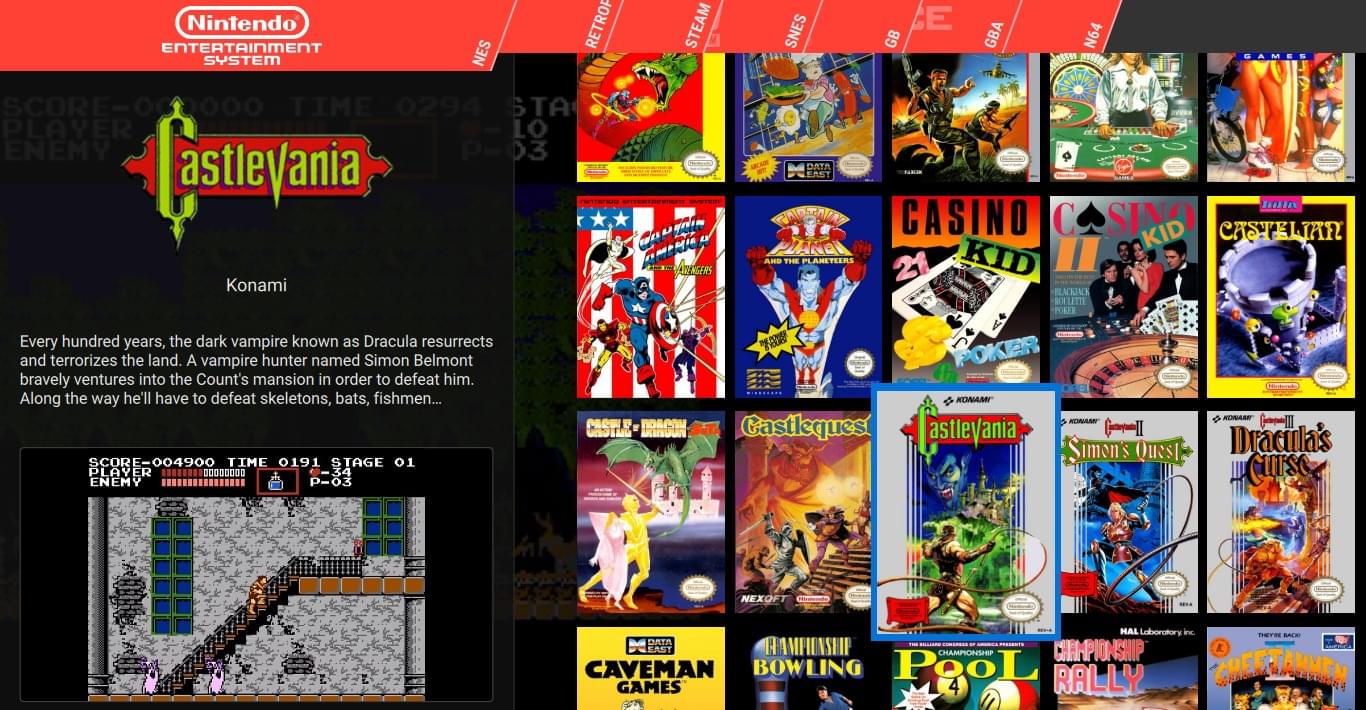
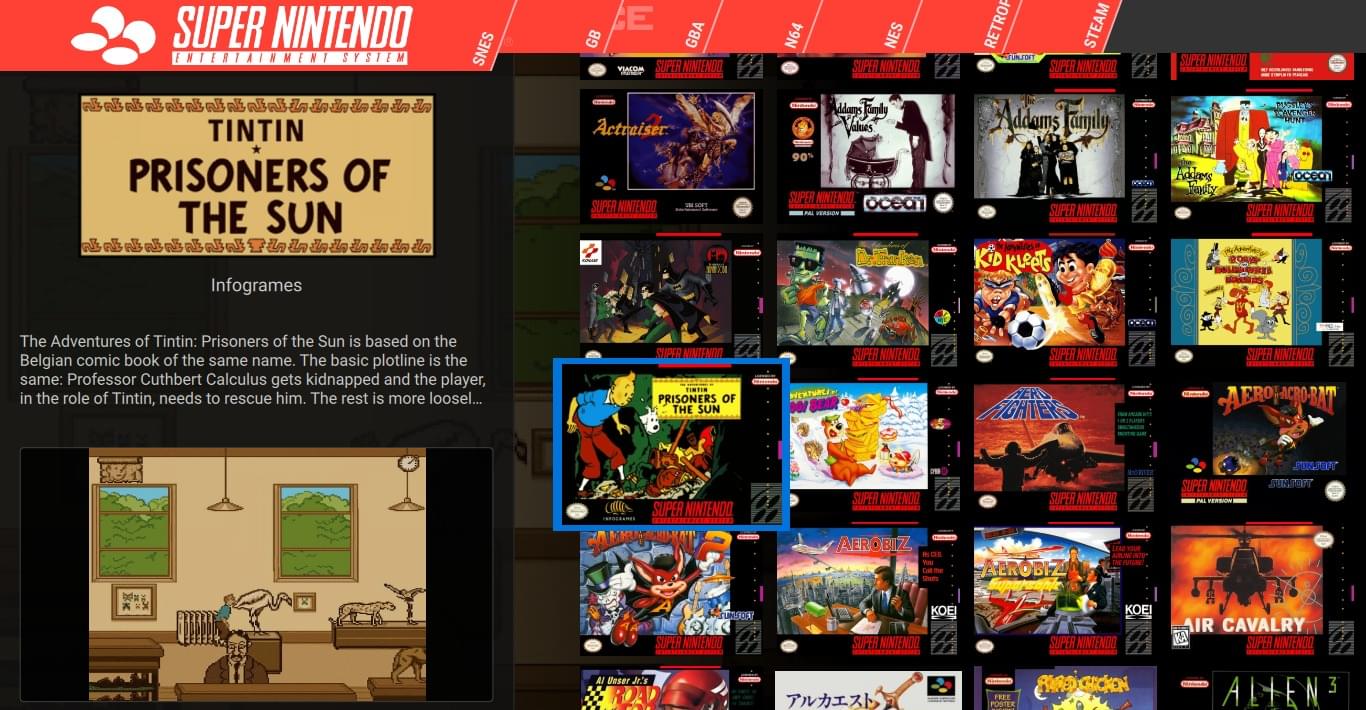
Pegasus is a graphical frontend for browsing your game library (especially retro games) and launching them from one place. It's focusing on customizability, cross platform support (including embedded devices) and high performance.
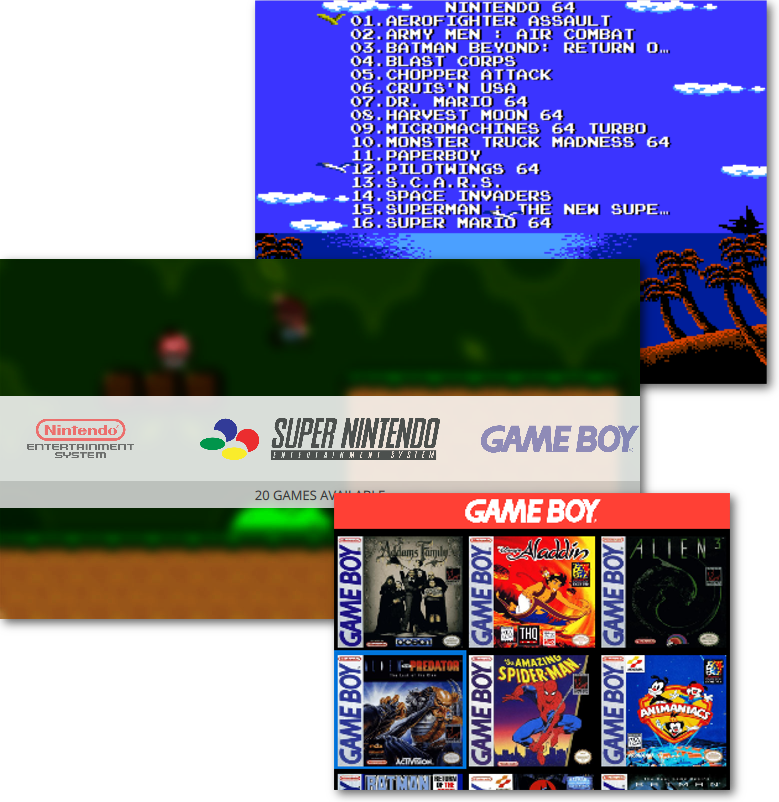
Instead of launching different games with different emulators one by one manually, you can add them to Pegasus and launch the games from a friendly graphical screen from your couch. You can add all kinds of artworks, metadata or video previews for each game to make it look even better!
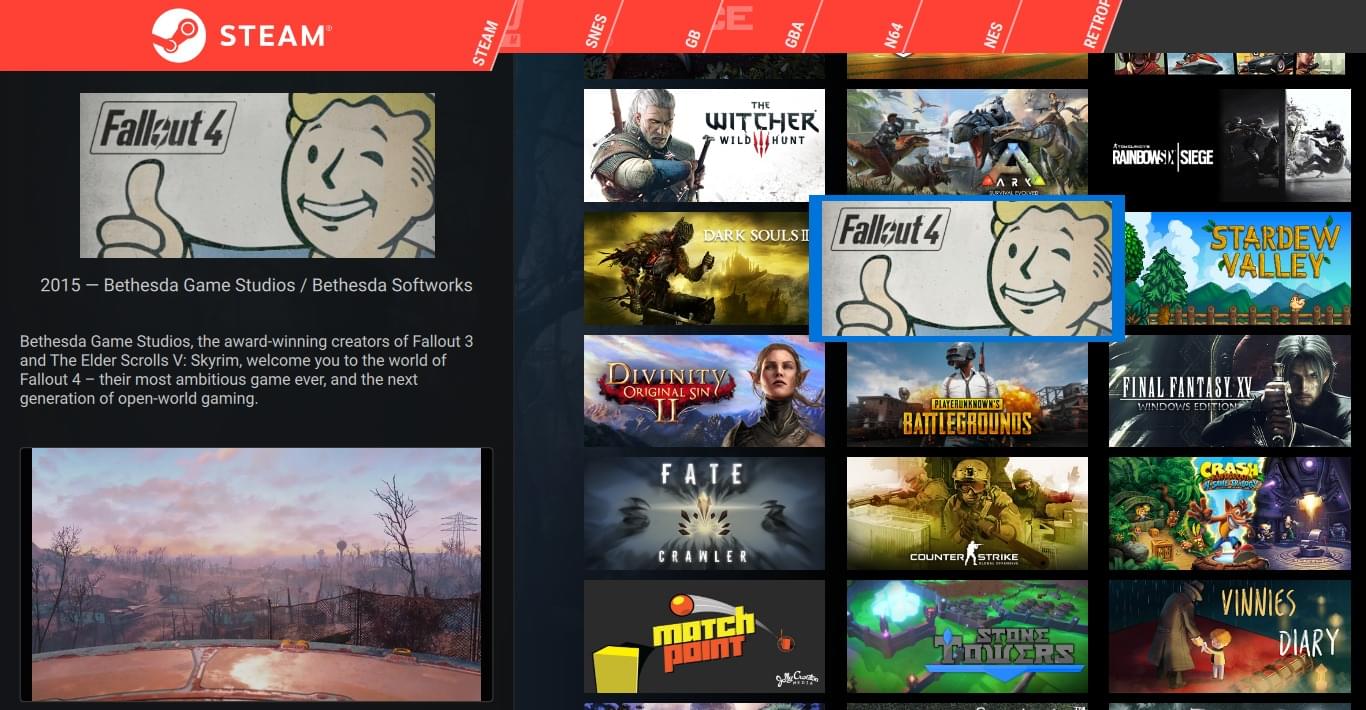
With additional themes, you can completely change everything that is on the screen. Add or remove UI elements, menu screens, whatever. Want to make it look like Kodi? Steam? Any other launcher? No problem. You can add animations and effects, 3D scenes, or even run your custom shader code.
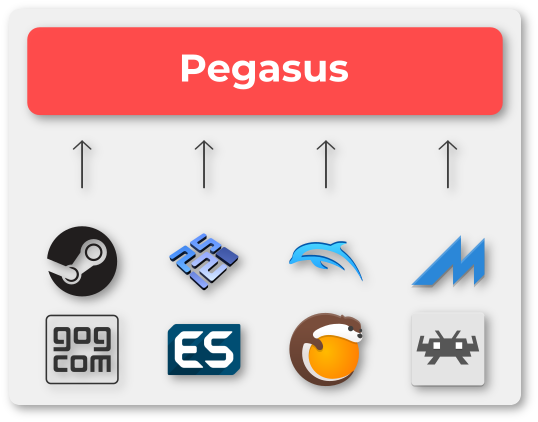
Pegasus can run on Linux, Windows, Mac, Raspberry Pi, Odroid and Android devices. It's compatible with EmulationStation metadata and gamelist files, and instantly recognizes your Steam games!
Installing Windows XP on a UEFI-exclusive system (Class 3 UEFI with no CSM/Legacy support) is technically complex because XP lacks a native EFI bootloader and modern ACPI support. You must use specific community-made patches and modified bootloaders to bridge the gap. Core Requirements
These emulated drivers allow XP to use the UEFI Framebuffer for display. Phase 2: Preparing the Modified ISO install windows xp on uefi system exclusive
: Initialize your target disk as GPT . Use a tool like diskpart to create a 100MB EFI System Partition (FAT32) and a primary NTFS partition for the OS. Installing Windows XP on a UEFI-exclusive system (Class
UEFI is a firmware interface that provides a set of services and protocols for operating systems to interact with the hardware. It is designed to be more secure and flexible than traditional BIOS, with features like Secure Boot, which ensures that only authorized firmware and operating systems can run on the system. Phase 2: Preparing the Modified ISO : Initialize
Since we cannot create a native UEFI installer for XP, we must create a hybrid USB stick that can boot on UEFI but load a legacy environment.


