Sega Genesis Soundfonts Direct
Marco loaded his custom soundfont into a modern track. He played a simple bassline. It snarled. He added a lead. It sang with that glassy, slightly unstable pitch that only FM can make.
For modern producers, (.sf2 or .sfz files) are the most accessible way to capture this 16-bit nostalgia within a Digital Audio Workstation (DAW) like FL Studio or Ableton Live . Understanding the Genesis Sound Architecture sega genesis soundfonts
: Drag and drop the .sf2 file into MuseScore's window to add it to your playback library. 3. Achieving the "Genesis" Sound Marco loaded his custom soundfont into a modern track
The Sega Genesis (known as the Mega Drive outside North America) had a notoriously "difficult" sound chip: the (and its cousin, the YM3438). Unlike the smooth, sample-based wavetable synthesis of the Super Nintendo, the Genesis produced raw, Frequency Modulation (FM) synthesis. It sounded aggressive, buzzy, and electric. He added a lead
The Sonic Signature: Evolution and Modern Application of Sega Genesis Soundfonts
The often-criticized "weakness" of the Genesis—its limited PCM channel for digital samples (primarily used for drums and voice clips)—paradoxically became its greatest strength. Where the SNES could play a realistic drum loop, the Genesis typically used a single channel for a crunchy, low-fidelity kick and snare. The other five FM channels then had to carry the rest of the rhythm and melody. This forced composers to adopt a minimalist, groove-oriented approach. The legendary Sonic the Hedgehog theme by Masato Nakamura demonstrates this perfectly: a simple, walking bassline in the FM channel, a clean lead melody, and a basic but powerful PCM drum hit. The lack of complexity created clarity and forward momentum. Compare this to many SNES soundtracks, where lush, spacious arrangements sometimes muddied the action. The Genesis sound was information-dense and in-your-face—the musical equivalent of a punk club rather than a concert hall.
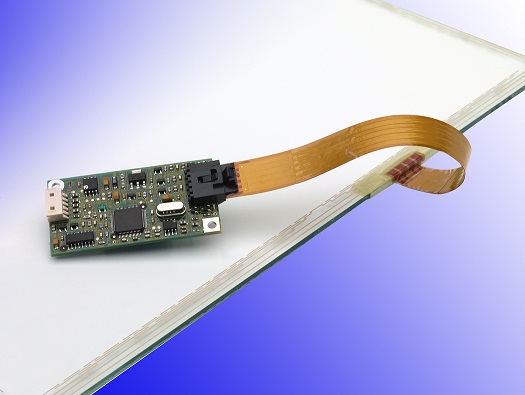 Touch Screen Sensor
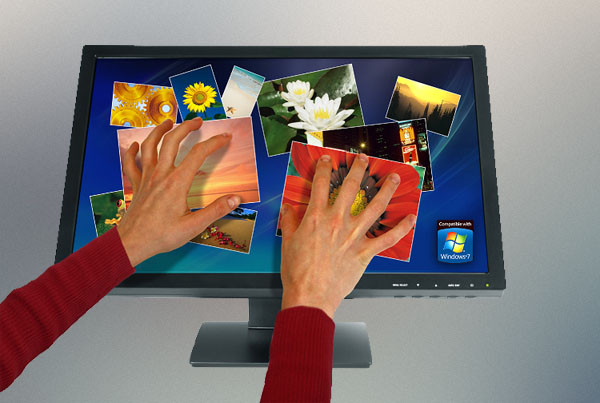 Touch Screen Monitor
 Touch Computer
 Speciality Display
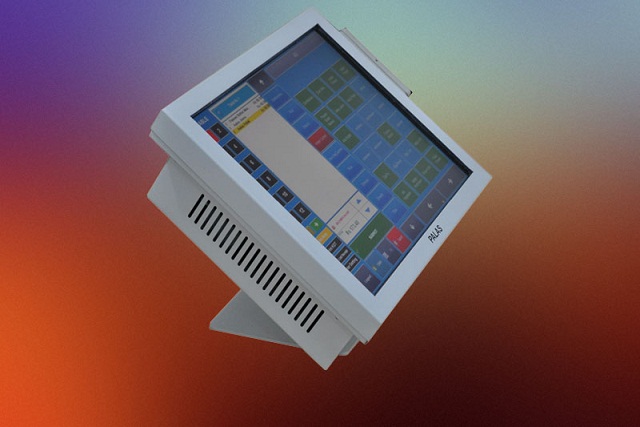 POS System
 Self Ordering System
 Self Service Patient Registration
 Self Service Employee
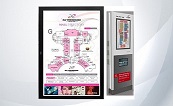 Digital Signage
 Software for Factories
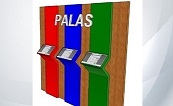 HR Software
 Value Series
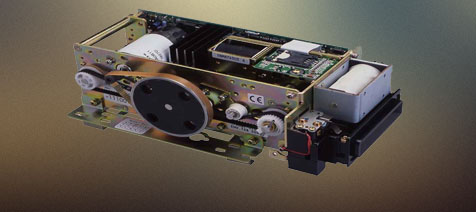 Smartcard Reader
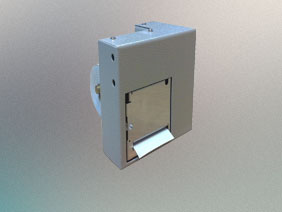 Thermal Printers
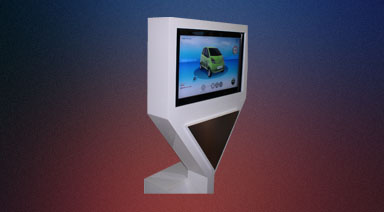 Retail Solution
 Industrial software
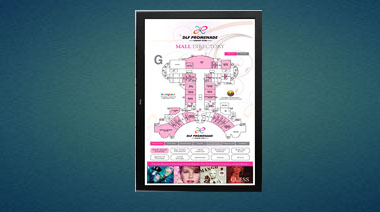 Digital Signage
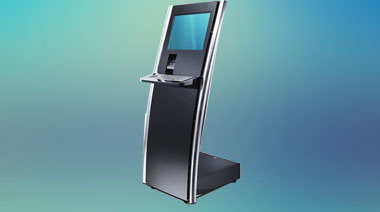 Kiosk
Kiosk
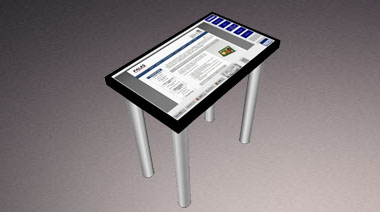 Touch Table