FitLab pioneers sport lifestyle, defining what it means to live at the intersection of performance, culture, and style. We leverage our diverse expertise and proprietary technology to support and enhance the worlds most beloved brands and shape the way the world lives sport.
Learn moreThe most culture-defining products in the industry



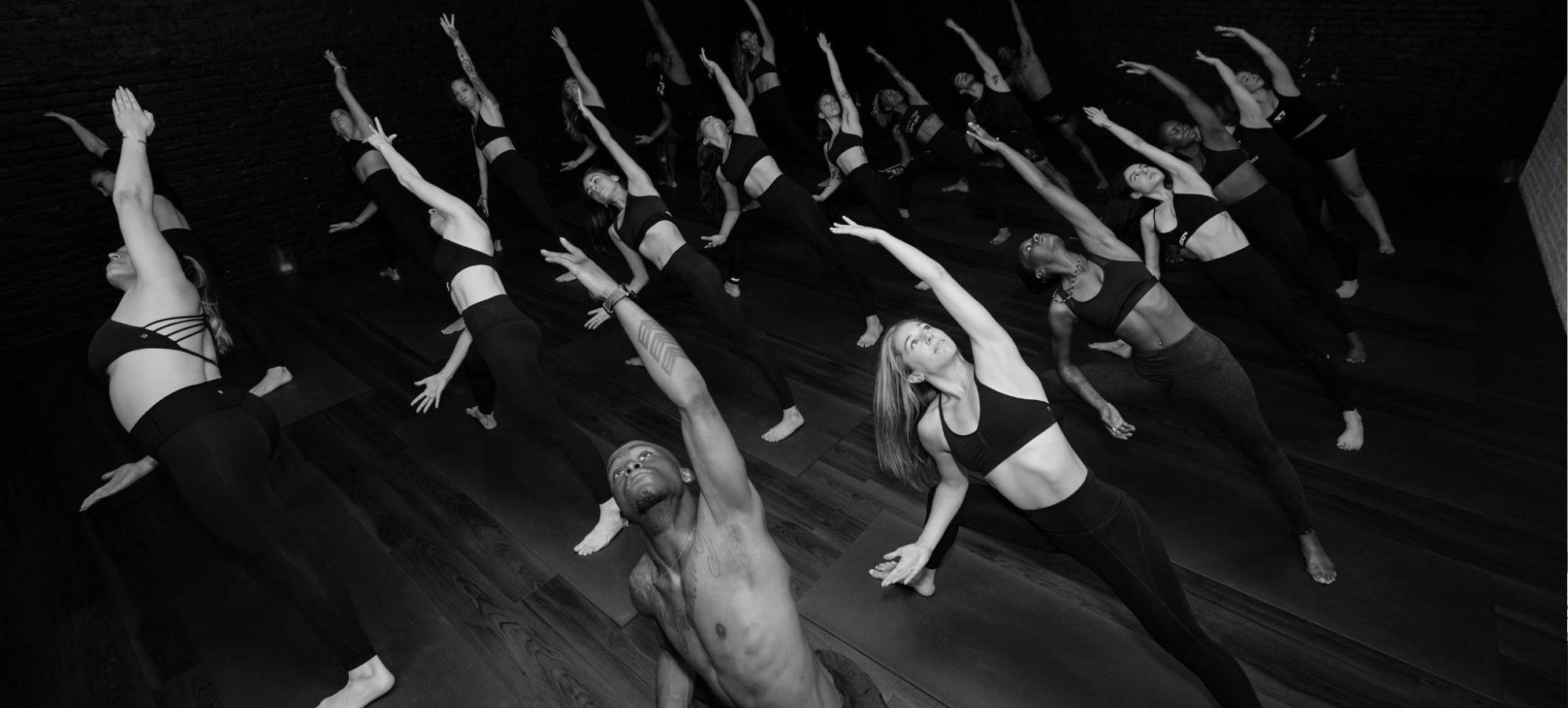
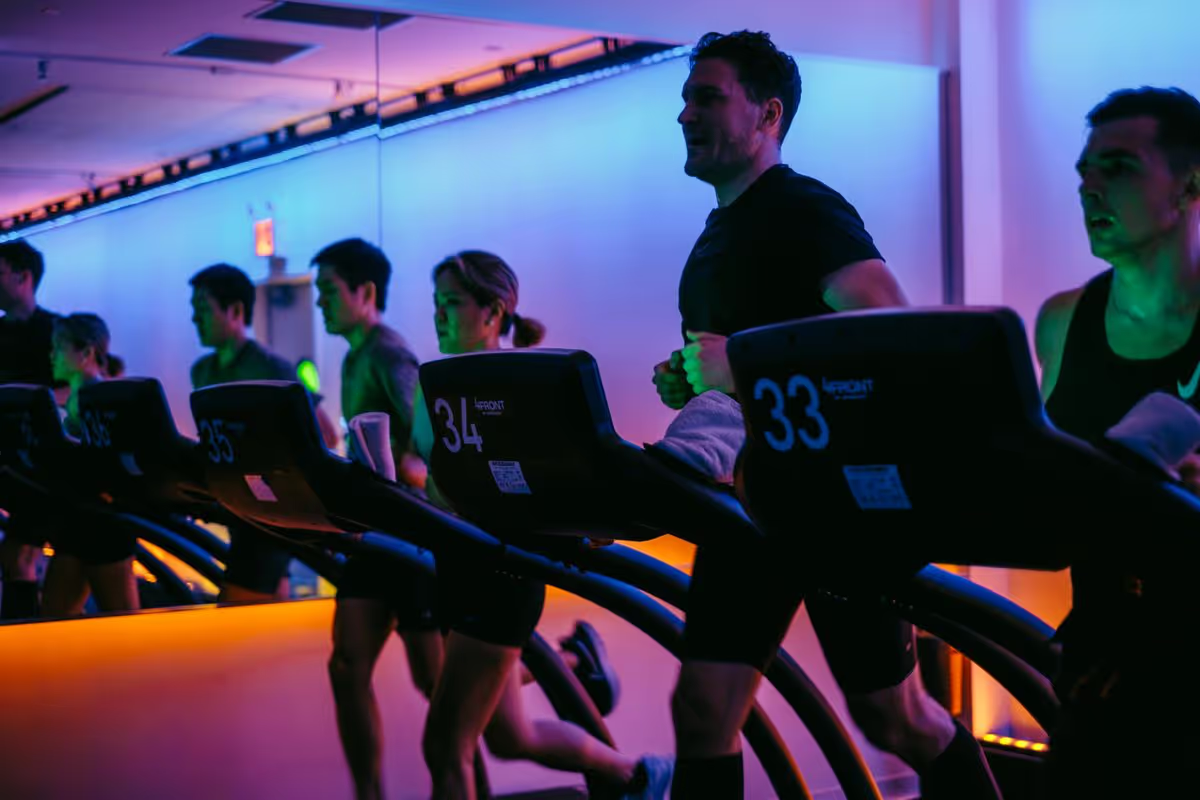


The next generation of boutique fitness studios.
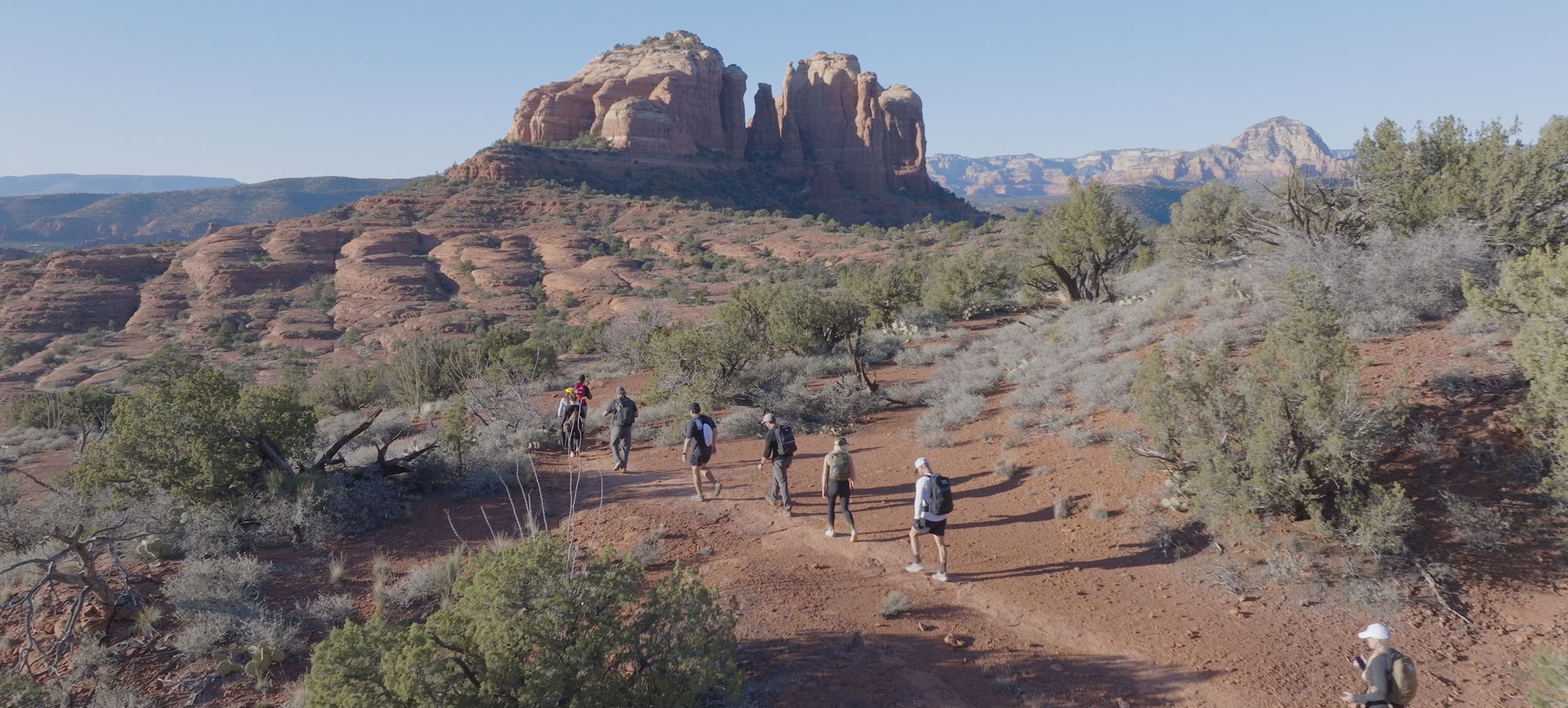
Competitions, races, and events that put your training to the test.



.jpg)
Testing, tracking, and transformation with AI and digital platforms.
| # | Citation | Summary (≤ 150 words) | Open‑Access Link | |---|----------|----------------------|-------------------| | 1 | DOI: 10.1061/(ASCE)UP.1943-5444.2020.000031 | Uses high‑resolution GIS data (OpenStreetMap + Czech cadastral registers) to quantify street‑segment length, connectivity, and intersection density in Prague, Brno, Ostrava, and Plzeň. Shows that historic cores have a median segment length of ~55 m—hence the frequent appearance of “56” as a typical block size in older districts. | https://doi.org/10.1061/(ASCE)UP.1943-5444.2020.000031 | | 2 | Krejčová, Martina; Bartoš, Tomáš. “Address‑Level Analysis of Urban Form: The Case of 56‑Numbered Streets in the Czech Republic.” Proceedings of the 12th International Conference on Urban Analytics (2022), 112‑124. DOI: 10.1145/3491102.3491120 | Focuses on all Czech streets that contain the house number “56” (≈ 1 200 addresses). By overlaying cadastral parcels with historic maps, the authors identify common morphological traits (e.g., narrow frontages, mixed‑use buildings). The paper argues that “56” is a useful anchor for micro‑scale comparative urban studies. | https://dl.acm.org/doi/10.1145/3491102.3491120 | | 3 | Novák, Lukáš et al. “Open Data for Czech Urban Streets: From OSM to National Registers.” Data & Knowledge Engineering 135 (2021): 101447. DOI: 10.1016/j.datak.2021.101447 | Describes how the Czech Ministry of the Interior released the Czech Address Register (ČÚZK) under an open licence. The dataset includes every street name and every house number (e.g., “Czech Streets 56”). The paper provides a reproducible workflow to extract all records that match a given number pattern. | https://doi.org/10.1016/j.datak.2021.101447 | | 4 | Bílá, Helena; Šimek, David. “Street Naming and Identity in Post‑Communist Czech Cities.” European Planning Studies 30, no. 5 (2022): 1037‑1055. DOI: 10.1080/09654313.2021.1976325 | While not about a specific house number, this article discusses the cultural significance of street renaming after 1989. It includes a sidebar that lists several streets where the address “56” appears in heritage‑protected zones, illustrating how address numbers can become part of collective memory. | https://doi.org/10.1080/09654313.2021.1976325 |
The oldest streets in Czech cities, particularly in Prague’s Staré Město CZECH STREETS 56
However, it is vital to distinguish between the of the series and the reality of Czech public life. Czech law is strict regarding public indecency. While the series simulates public encounters, most are staged on private property or with permits. The average Czech citizen walking down Jindřišská or Ve Smečkách is just going to work or buying groceries. | # | Citation | Summary (≤ 150
: Unexpected splashes of modernism tucked between centuries-old structures. 2. The Language of the Street “Address‑Level Analysis of Urban Form: The Case of
09 . 04 . 2025
ATHLETECH NEWS
03 . 26 . 2024
Fitt Insider
05 . 10 . 2022
youtube.com
01 . 14 . 2022
prnewswire.com