Eliminador instantáneo de Bg
Borrador de fondo gratuito
Eliminar fondo en línea
Edición de fotos de fondo

Haga clic para cargar
PNG, JPEG, JPG o WEBP (máx. 800×400px)
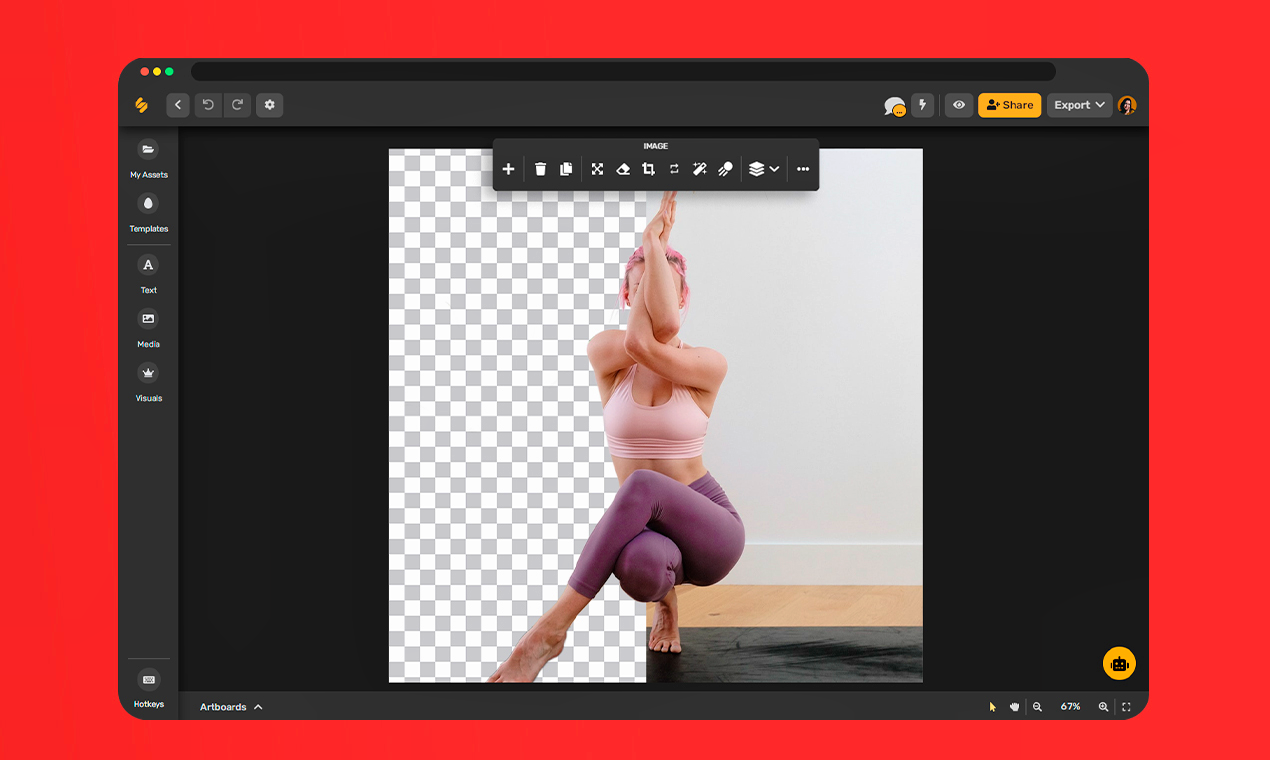
Eliminar los antecedentes de las imágenes censuradas, ocultas, ocupadas, rebeldes, luchas, peleas, valientes. Cargue imágenes en cualquier formato y en un solo clic obtenga una imagen de fondo transparente de alta calidad lista para ser utilizada en todas sus campañas de marketing.

Cree imágenes de calidad profesional para listados de productos, redes sociales, sitios web, boletines, folletos, libros y más con nuestro eliminador de fondo mágico. Agregue un fondo diferente o agregue gráficos y componentes, cambie el tamaño, anime y agregue filtros con nuestro estudio de arte digital gratuito.
Simplified blog is a great place to learn from the best in Instagram marketing. Whether you want to bulk up on social media knowledge or get your first followers.
Malayalam cinema began with J. C. Daniel’s silent feature Vigathakumaran (1928), which notably focused on social drama rather than the mythological themes prevalent in other Indian industries at the time.
Their intimate moment was a celebration of their love and connection. They cherished every second of it, making sure the other felt desired and loved. This was their way of reconnecting, away from the hustle and bustle of daily life. Malayalam cinema began with J
Directors like Lijo Jose Pellissery have turned dialect into an art form. Jallikattu (2019) used the rhythmic, aggressive slang of the Syro-Malabar Christian and Hindu farming communities of central Kerala. Thallumaala (2022) invented a hyper-stylized, rhythmic, almost musical street slang from the Muslim-dominated pockets of Kozhikode. This linguistic specificity is a cultural act of resistance against homogenization. It tells the audience: We are not a monolith. Every ten kilometers, the food, the accent, and the joke changes. Their intimate moment was a celebration of their
The first Malayalam film, "Balan," was released in 1938. However, it was the 1950s and 1960s that saw the rise of Malayalam cinema as a distinct entity. Filmmakers like G. R. Rao, P. A. Thomas, and Ramu Kariat made significant contributions to the industry during this period. Directors like Lijo Jose Pellissery have turned dialect
Malayalam cinema has played a significant role in shaping Kerala's culture and society. Films have been used as a medium to address social issues, promote cultural values, and showcase the state's rich heritage. The industry has also contributed to the preservation of traditional arts, music, and dance forms.
Malayalam cinema walked so other Indian cinemas could run toward "content-driven" stories.